Kaya + Partners

Ankara · Service

Hotel Interior Design in Ankara

Hotel interior design is not about a single space — it is about dozens of connected rooms, public areas and the entire guest journey. From the lobby to the room prototype, from corridors to the restaurant, every decision shapes occupancy, brand perception and operational efficiency. In Ankara, Kaya + Partners delivers a holistic interior architecture process for boutique hotels, business hotels and hospitality venues, balancing contract-grade durability with guest comfort.

Why Hotel Interior Design Is a Distinct Discipline

A hotel differs from single-program spaces like homes or restaurants: it means multi-room scale, 24/7 uninterrupted operation and a constantly renewing guest profile. Design decisions are read along three axes — guest experience (from first impression to sleep comfort), operational efficiency (housekeeping, circulation, ease of maintenance) and durability (contract-grade materials and regulation). Kaya + Partners balances these three axes, placing operability at the centre of design alongside conceptual beauty.
Lobby & Arrival — The Architecture of First Impressions

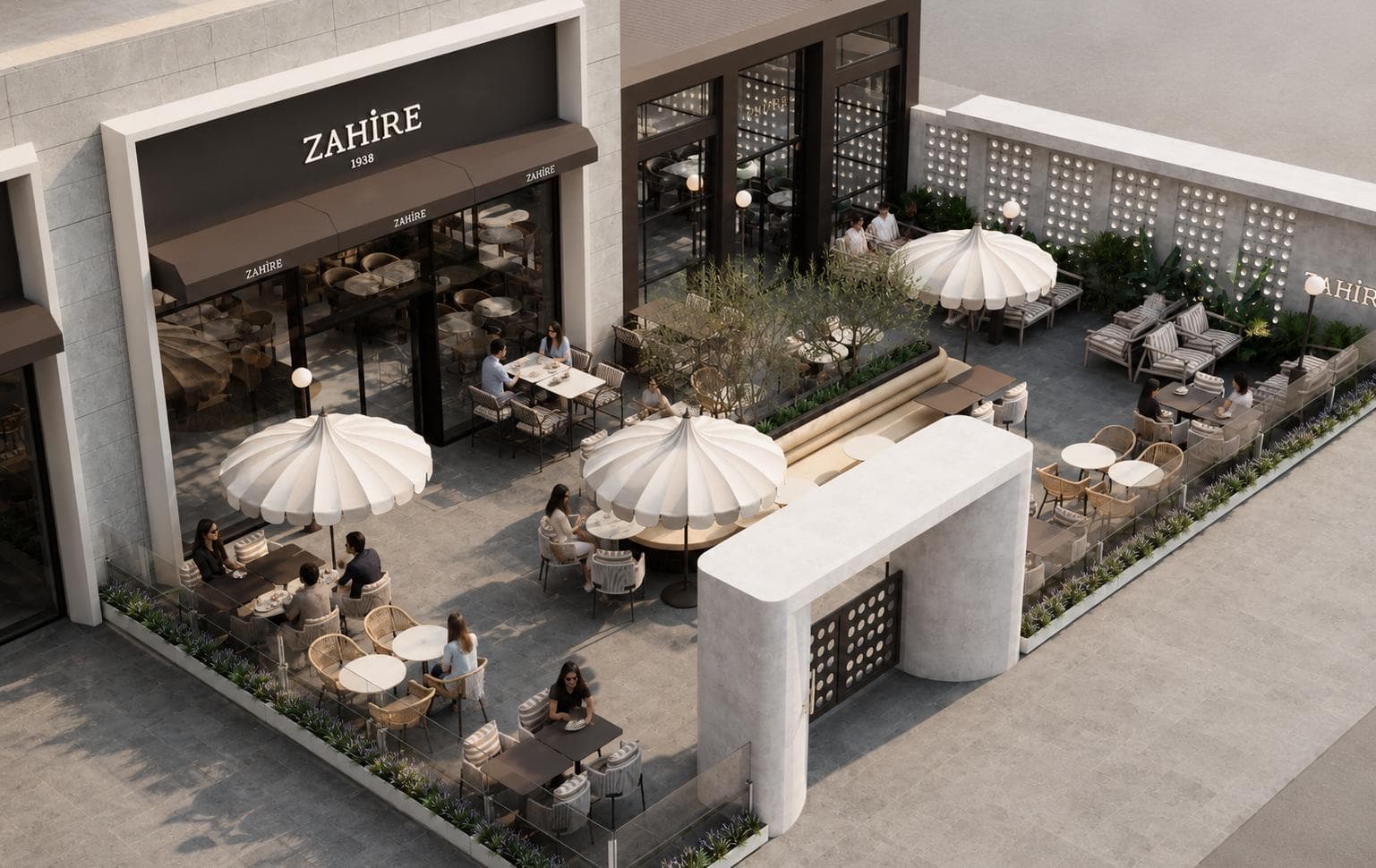
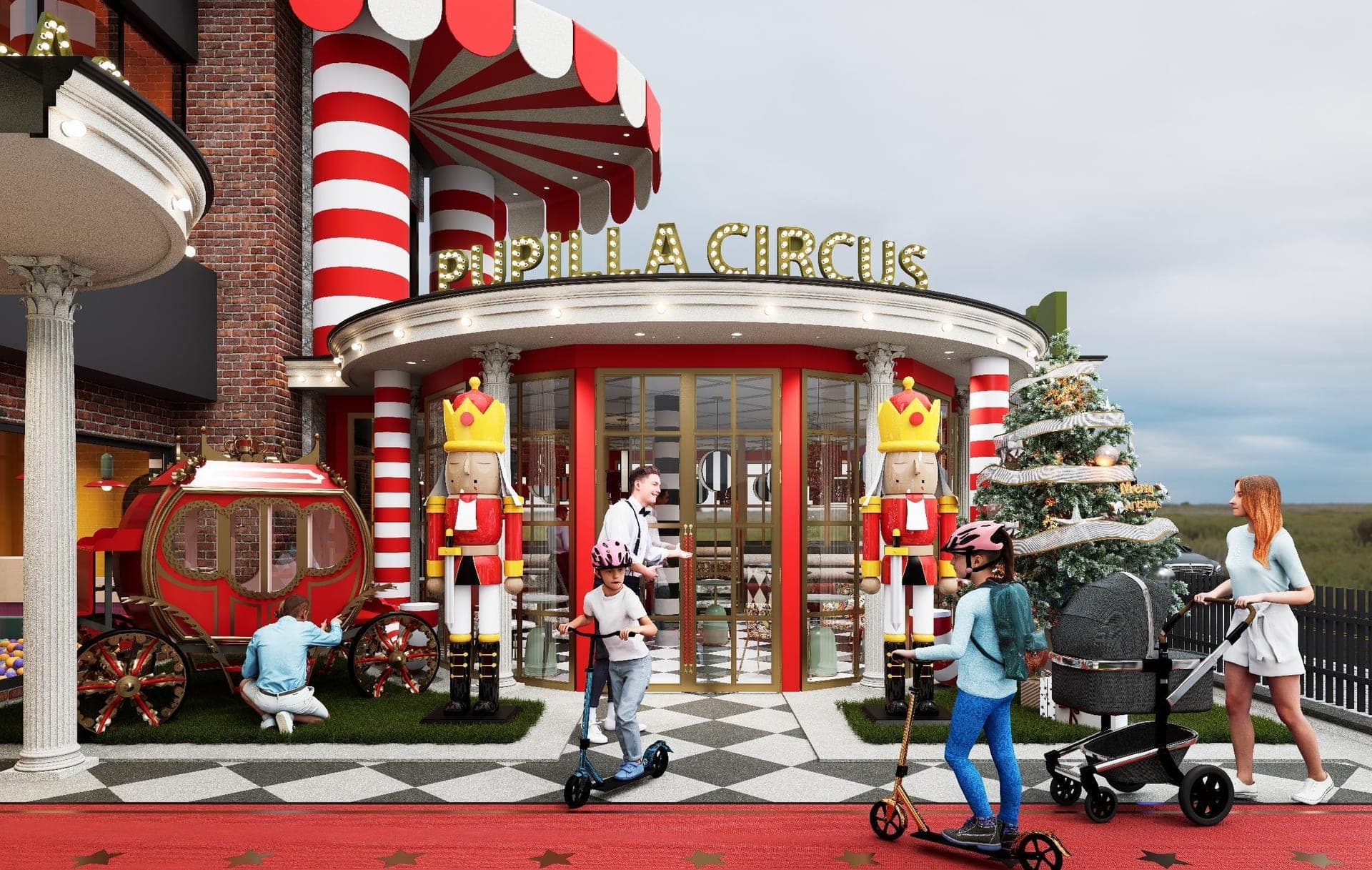
The lobby communicates the brand promise to the guest within seconds. Lobby design requires the reception layout, lounge comfort, check-in flow and lighting atmosphere to be solved together. Kaya + Partners designs the lobby not as a static entrance but as a flexible stage that adapts to different scenarios across the day — welcome, work, coffee and waiting.

  • Reception — queue management and staff ergonomics
  • Lounge & waiting — groupable, flexible seating
  • Arrival axis — light, materials and brand identity
  • Lobby bar / coffee corner integration
  • Luggage, cloakroom and wayfinding solutions

The Room Prototype (Mock-up Room) and Repeatable Design

A hotel's dozens of rooms are replicated from a single prototype. Guest-room design is therefore solved first through a mock-up room: the headboard layout, lighting scenarios, sockets/charging points, wet-area detailing and acoustic insulation are perfected in one room, then rolled out across the floor. Kaya + Partners runs the mock-up process as a critical stage that secures cost control, fabrication clarity and guest comfort at the same time.

  • Headboard panel, lighting and socket/USB layout
  • Acoustic insulation — corridor and adjacent-room buffering
  • Bathroom prototype — durable surfaces, easy cleaning
  • Textile, carpet and furniture at contract standard
  • Repeatable detail sheets and fabrication specification

Corridors, Floor Lobbies and Wayfinding

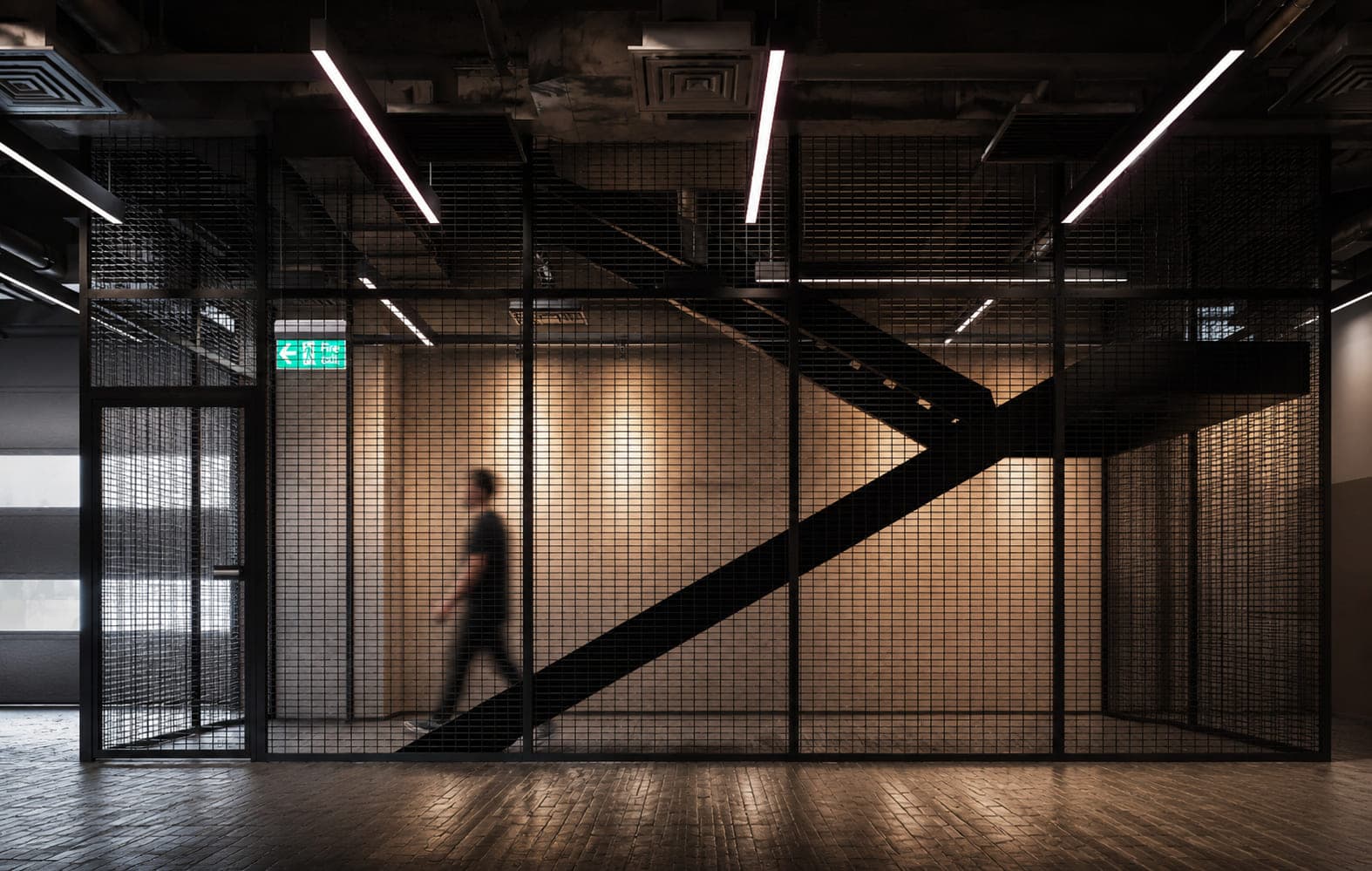
The corridors and floor lobbies a guest passes through are the silent backbone of the experience. Circulation is solved together with fire-escape distances, housekeeping-trolley movement and emergency-exit lighting. Kaya + Partners does not reduce wayfinding to signage and numbering; it designs a floor layout that guides guests intuitively through quiet cues such as light, material change and floor pattern.

Restaurant, Breakfast Hall, Spa and Meeting Integration

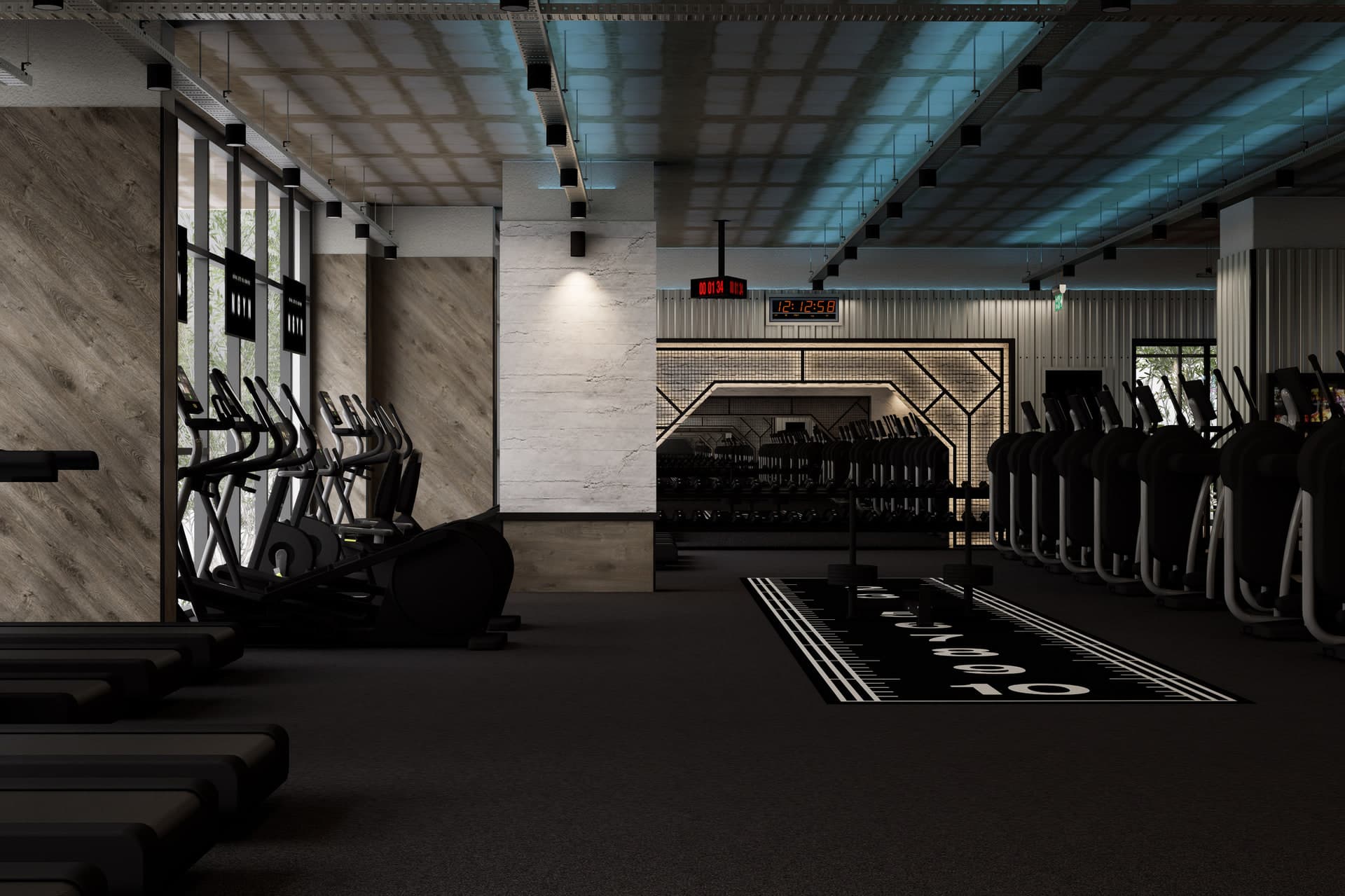
A modern hotel offers a full program — not just rooms but a breakfast hall, restaurant, spa/fitness and meeting areas. The relationship of these spaces to the room block, the service flow and noise separation are all part of the interior scheme. Kaya + Partners plans the peak-hour traffic of the breakfast hall, the evening atmosphere of the restaurant and the multi-purpose use of meeting rooms together, so a single space adapts to different functions across the day.

Contract-Grade Durability, Regulation and Lighting Scenarios

Hotel spaces cannot rely on residential materials; heavy use, frequent cleaning and fire/acoustic regulation demand contract-grade solutions. Kaya + Partners works with materials of verified reaction-to-fire class (e.g. B-s1,d0), durable surfaces and certified textiles. Lighting is composed around day/night scenarios — energetic in the morning, warm and inviting in the evening. Even in boutique hotel decoration, aesthetics are defined within this technical frame; we never produce a space that is beautiful yet impossible to operate.

  • Fire regulation — reaction-to-fire class and escape design
  • Acoustics — room, corridor and public-area separation
  • Contract textile, carpet and furniture durability
  • Day/night lighting scenarios (DALI / scene control)
  • Accessibility and universal design standards

Frequently Asked Questions

Common questions about your interior design project

  • Why is hotel interior design more complex than residential design?

    In a hotel you design not a single space but dozens of repeated rooms, public areas and a 24/7 operation. Contract-grade durability, fire and acoustic regulation, housekeeping circulation and guest experience must all be solved at once. Kaya + Partners manages this multi-layered process from a single point.

  • Why is the room prototype (mock-up room) important?

    Because all rooms are replicated from one prototype, the mock-up room lets you test cost, fabrication detail and guest comfort in advance. Lighting, acoustic insulation, the bathroom and furniture are perfected in one room, then rolled out across the floor with confidence.

  • What is the difference between boutique and business hotel design?

    A boutique hotel stands out through distinct character, story and detail richness. A business hotel focuses on efficiency, fast check-in, meeting/work areas and consistent comfort. Kaya + Partners translates the brand standard and target guest profile into design language for both types.

  • Can you renovate an existing hotel without closing it?

    Yes. With a phased plan (floor by floor or block by block) we can manage renovation while the hotel keeps operating. By planning noise, dust and guest traffic we preserve occupancy as much as possible and schedule critical areas for the off-season.

Let's talk about your hotel or boutique hotel project.

For your business hotel, boutique hotel, thermal resort or hospitality investment, get in touch with Kaya + Partners. The first consultation — including feasibility, room prototype and regulation analysis — is free.